What're your concepts about When to call a professional plumber vs. DIY?
Introduction
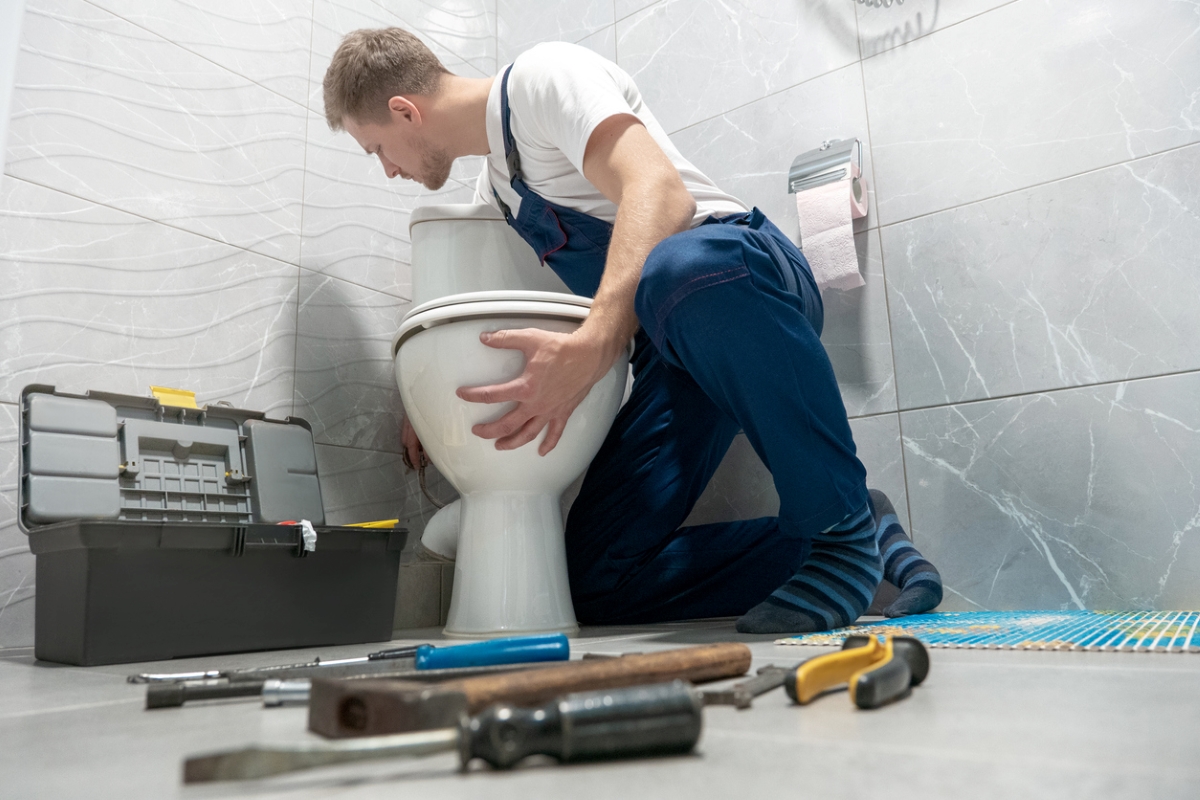
Plumbing problems can range from small aggravations to major frustrations, frequently motivating homeowners to decide between tackling the issue themselves or employing a specialist plumbing professional. Understanding when to DIY and when to seek specialist aid can conserve time, money, and prevent possible calamities. This post discovers the aspects to think about when making this crucial choice.
Benefits of Do It Yourself Pipes
Taking on pipes tasks on your own can be fulfilling in a number of means, especially for less complex jobs.
Price Savings
DIY pipes tasks frequently conserve cash by avoiding expert service charge. Tasks like taking care of small leakages, changing taps, or mounting brand-new showerheads are examples where homeowners can take care of fixings without hiring a plumbing.
Skill Enhancement
Engaging in do it yourself pipes uses a chance to discover and improve practical abilities. Standard jobs empower homeowners to recognize their pipes systems much better and acquire self-confidence in taking care of small fixings independently.
Dangers of DIY Pipes
While do it yourself tasks supply advantages, certain threats should be carefully considered before attempting fixings.
Intricacy of Jobs
Some plumbing problems require specialized knowledge and devices beyond common home owner capabilities. Mishandling intricate issues can bring about further damages and pricey repair work.
Safety Concerns
Working with pipes systems entails threats such as direct exposure to water damage, possibility for electric risks, and dealing with devices improperly. Safety precautions need to be observed to prevent accidents and ensure reliable repairs.
Indicators to Call a Professional Plumbing
Acknowledging when a plumbing concern goes beyond DIY capabilities is critical to avoid worsening troubles.
Signs of Facility Issues
Instances include:
Motivate professional intervention is essential to deal with these problems effectively and reduce damage.
Do It Yourself Pipes Tips
For effective DIY plumbing, it's essential to be prepared with the right tools and follow appropriate procedures.
Fundamental Tools and Materials
Secret tools for do it yourself pipes:
Step-by-Step Guides
Clear directions guarantee secure and reliable DIY repair services:
Selecting the Right Time to Do It Yourself
Figuring out when to tackle pipes jobs on your own requires analyzing both the complexity of the problem and personal comfort degrees.
Assessment Checklist
Consider:
When to Absolutely Call a Specialist
Particular scenarios require instant skilled focus to stop considerable damages or safety and security threats.
Examples include:
Finding and Working With a Specialist Plumbing Technician
Choosing a certified plumbing technician makes certain reputable service and comfort in fixing pipes issues.
Standards for Selection
Aspects to consider:
Cost Analysis: do it yourself vs. Specialist Services
Comparing the financial ramifications of DIY efforts versus professional plumbing services assists in making notified choices.
Financial Considerations
Examine:
Final thought
Deciding whether to DIY or call a professional plumber depends upon recognizing the complexity of pipes issues and personal capacities. By evaluating the advantages and risks, house owners can make enlightened choices that advertise effective upkeep and protect their homes from pipes disasters.
DIY Plumbing Projects: What Homeowners Can Do and When to Call a Professional
Welcome to our comprehensive guide on DIY plumbing projects. In this blog post, we aim to empower homeowners with the knowledge and skills to tackle basic plumbing tasks around the house. From unclogging drains to fixing a leaky faucet, we’ll walk you through step-by-step instructions on how to handle these common issues.
However, not all plumbing problems can or should be solved with a DIY approach. Recognizing when a problem is beyond your skill level and requires professional intervention is just as important as knowing how to perform basic tasks. We’ll also discuss the signs that indicate it’s time to put down your tools and pick up the phone to call a professional plumber. By understanding when to DIY and when to call a professional, you can save time, avoid potential disasters, and ensure your home’s plumbing system remains in top shape.
Understanding Plumbing Basics
Before we dive into the DIY projects, let’s take a moment to understand the basics of your home’s plumbing system. A typical residential plumbing system consists of two major components: the water supply system, which brings fresh water into your home, and the drainage system, which removes waste water. These systems are made up of a network of pipes, valves, and fixtures that work together to deliver clean water and dispose of waste efficiently.
Regular maintenance of your plumbing system is crucial to prevent minor issues from escalating into major problems. This includes tasks like checking for leaks, removing minor clogs, and ensuring your pipes are insulated for winter. By performing these tasks regularly, you can extend the lifespan of your plumbing system, save money on water bills, and maintain the comfort and hygiene of your home.
In the following sections, we’ll explore some common DIY plumbing projects that homeowners can handle, as well as situations that require the expertise of a professional plumber. Whether you’re a seasoned DIY enthusiast or a beginner, this guide will provide you with valuable insights into the world of home plumbing.
DIY Plumbing Projects Homeowners Can Handle
Plumbing may seem intimidating, but there are several tasks that homeowners can confidently tackle with a little guidance and the right tools. Here are a few common issues you might encounter and how to address them.
Unclogging Drains
Use a Plunger: This is your first line of defense. A good old-fashioned plunger can dislodge the obstruction and clear the drain in many cases. Try a Plumber’s Snake or Hand Auger: If the plunger doesn’t work, a plumber’s snake or hand auger can reach deeper into the pipe to break up the clog. Use a Drain Cleaner: If physical methods fail, a chemical drain cleaner can dissolve the clog. However, use these products sparingly as they can damage your pipes if overused.
I am very taken with When to DIY and When to Call in the Plumbing Pros and I really hope you liked my blog post. Loved our posting? Please share it. Help other people locate it. Many thanks for being here. Come back soon.
Book Service Now